Greater Victoria is filled with homes that have stood the test of time. Character homes in Oak Bay, Fairfield, Fernwood, James Bay, and throughout the region often offer craftsmanship and charm that’s difficult to replicate today. They also come with decades of history, renovations, maintenance, and sometimes a few surprises hidden behind the walls.
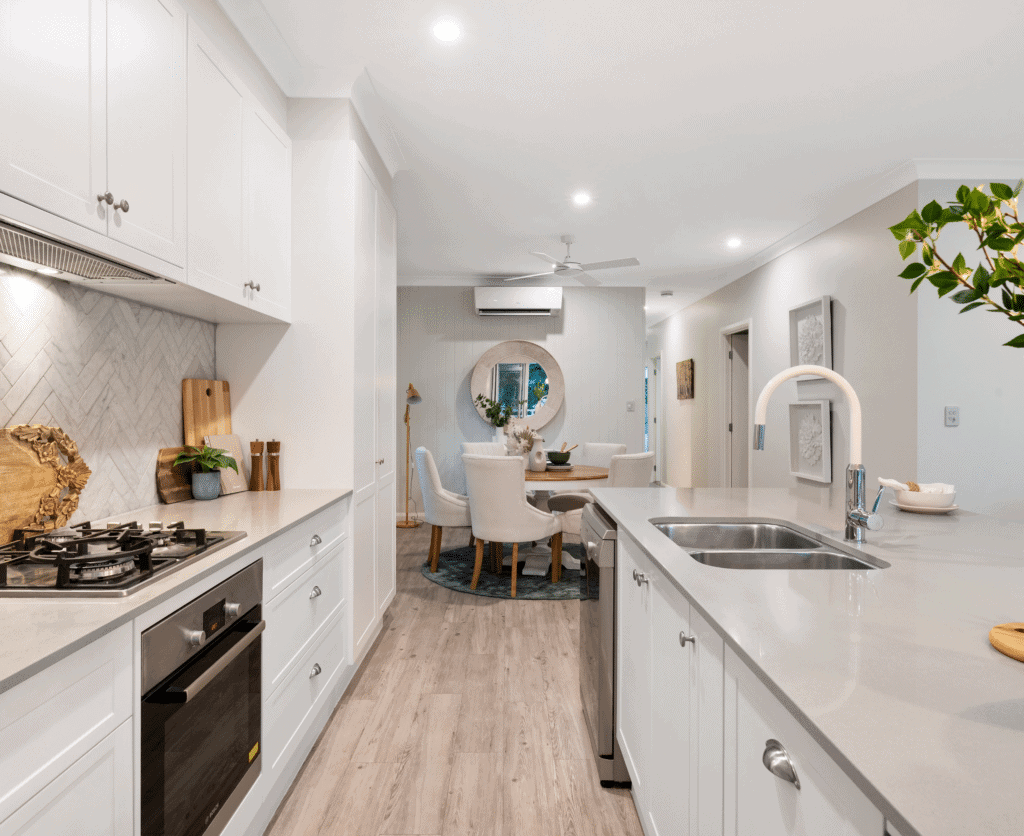
When touring an older home, it’s easy to focus on the kitchen, natural light, or backyard. Those things certainly matter, but they’re only part of the picture.
Before beginning his career in real estate, Alex managed a branch for one of North America’s largest building materials distributors, working alongside builders, contractors, and suppliers every day. That experience shaped how he looks at homes and, more importantly, the kinds of questions he asks during a showing.
These observations don’t replace a professional home inspection. Instead, they help identify areas that deserve a closer look before moving forward with a purchase.
1. Start Outside: How Does Water Move Around the Home?
One of the first things we look at often has nothing to do with the house itself.
Instead, we look at the ground surrounding it.
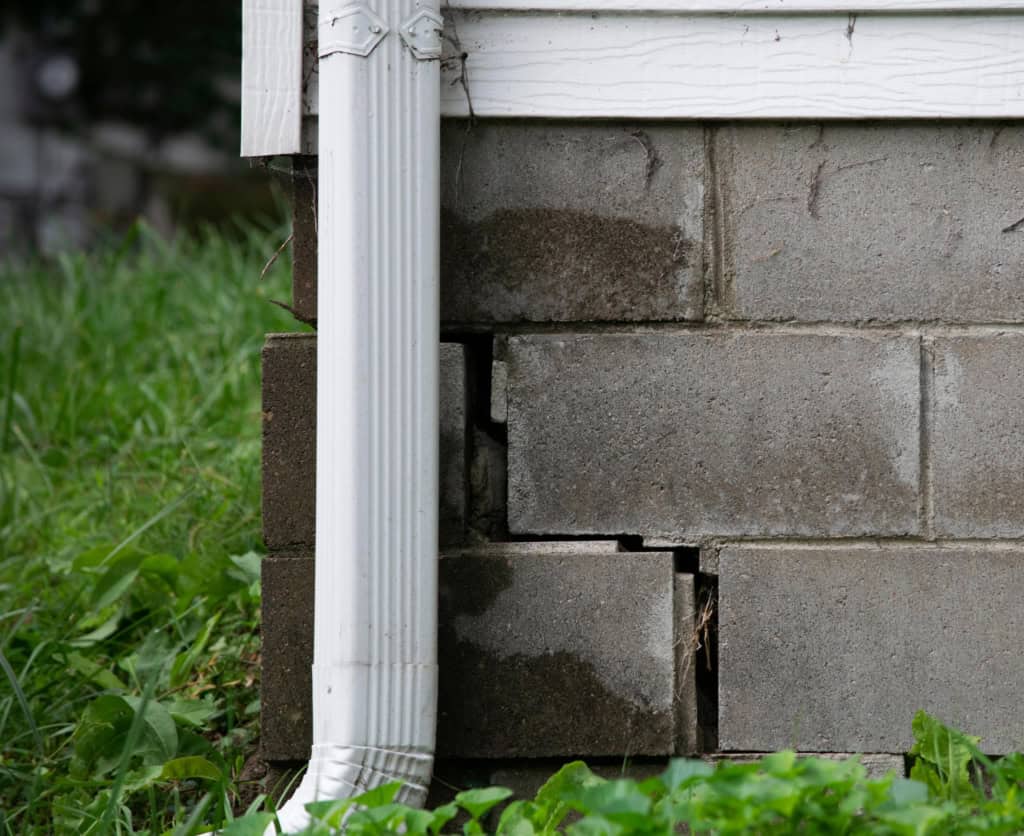
Ideally, the landscaping should slope away from the foundation so rainwater drains away from the home. Over time, however, garden beds, patios, new landscaping, or years of accumulated mulch can gradually change that grading.
We also pay close attention to downspouts. If they’re emptying directly beside the foundation instead of carrying water several feet away, moisture can continually collect around the home throughout Victoria’s wet winters.
None of these observations automatically mean there’s a problem. They simply help us know where we’d want to look more closely, particularly in the basement or crawlspace.
2. Look Closely at the Building Envelope
The building envelope is everything that separates the inside of the home from the outside environment. This includes the roof, siding, windows, flashing, and all of the places where different materials come together.
Rather than looking at large sections of siding or roofing, we often focus on the transitions.
Areas such as:
- Roof edges and eaves
- Chimney flashing
- Window trim
- Where an addition meets the original home
- Where different exterior cladding materials connect
These joints are often where moisture issues appear first because they’re exposed to movement, weather, and years of expansion and contraction.
On many older Victoria homes that have been expanded over the years, the connection between the original structure and an addition deserves particularly careful attention.
3. Pay Attention to the Major Mechanical Systems
Some of the most expensive components of a home aren’t immediately visible during a showing.
Heating systems, electrical panels, plumbing, and hot water tanks all have expected service lives and eventual replacement costs.
We’re not trying to diagnose these systems during a walkthrough, but we are looking for signs of maintenance and care.
Questions we often consider include:
- Does the furnace have recent service records?
- Does the electrical panel appear professionally maintained?
- Is the plumbing organized and well cared for?
- How old is the hot water tank?
A home where these behind-the-scenes systems have been regularly maintained often reflects a homeowner who has cared for other aspects of the property as well.
4. Consider When the Home Was Built and When It Was Updated
The age of a home tells part of its story.
The renovation history tells the rest.
Construction methods, materials, and building practices have changed significantly over the decades. A home built in 1915 that received major renovations during the 1970s presents a very different set of questions than one that has remained largely original or been comprehensively updated more recently.
Rather than making assumptions about what’s behind the walls, we use the home’s timeline to guide further investigation.
Knowing when major renovations occurred helps determine which questions should be asked during due diligence and what an inspector may want to pay particular attention to.
5. Make Sure the Renovation History Makes Sense
Not every renovation adds value in the same way.
Sometimes the most revealing part of a showing isn’t what was renovated, but what wasn’t.
A beautifully updated kitchen alongside an aging roof or original mechanical systems may simply reflect the previous owner’s priorities. Likewise, fresh paint on one section of a basement wall or a room that feels noticeably newer than the rest of the home naturally raises questions about why those updates were completed.
Whenever possible, we also like to compare visible renovations with available permit history.
Renovations themselves aren’t concerning. It’s unexplained or undocumented work that often deserves additional investigation.
These Observations Don’t Replace a Home Inspection
It’s important to distinguish between identifying questions and confirming answers.
Everything we’ve discussed above helps us understand where to look more carefully and what conversations to have before moving forward with a purchase.
None of these observations can determine whether a home is free of defects or whether a repair is required. That’s exactly why professional home inspections remain such an important part of the buying process.
The goal isn’t to diagnose a house during a showing.
The goal is to walk into an inspection already knowing which areas deserve the closest attention.
Buying an Older Home in Greater Victoria
One of the things we enjoy most about helping buyers throughout Greater Victoria is walking through homes together and helping clients understand what they’re seeing beyond the finishes and staging.
Every home has a story. The key is asking the right questions before making one of the biggest investments you’ll ever make.
If you’re considering purchasing an older home in Greater Victoria, we’d be happy to walk through a property with you, discuss what we’re noticing during the showing, and help you navigate the due diligence process with confidence. Contact our team.
Thanks for being here,
Alex Hughes, REALTOR®, Personal Real Estate Corporation — North Pacific Homes Group (eXp Realty) | Victoria, BC Real Estate
Ricki-Lee Jewell, REALTOR® — North Pacific Homes Group (eXp Realty) | Victoria, BC Real Estate
Steven Reilander, REALTOR® — North Pacific Homes Group (eXp Realty) | Victoria, BC Real Estate